

Written by Maya Moody, PT, DPT
Painful intercourse, also known as dyspareunia, is far more common than most people realize. It is often my experience that a patient can feel alone, embarrassed, or unsure where to turn for help prior to coming to pelvic PT. However, pain with intimacy is not something anyone should have to simply live with, and in many cases, pelvic physical therapy can make a significant difference.
Understanding Painful Intercourse
Pain with intercourse can present in different ways. Some individuals experience pain at the vaginal opening with penetration. Others feel deeper pelvic or abdominal pain. Sensations may include burning, sharp pain, aching, or a feeling of tightness. Pain may occur every time or only in certain positions.
There are many potential causes, including:
- Pelvic floor muscle tightness or guarding
- Postpartum changes or birth trauma
- Scar tissue from surgery or tearing
- Hormonal changes
- Endometriosis or other pelvic conditions
- History of trauma
- Chronic stress or anxiety
In many cases, the pelvic floor muscles play a key role.
The Role of the Pelvic Floor
The pelvic floor is a group of muscles that sit at the base of the pelvis. These muscles support the bladder, bowel, and reproductive organs. They also need to lengthen and relax during intercourse.
If the pelvic floor muscles are tight, overactive, or painful, penetration can feel uncomfortable or even impossible. This is not something that can simply be relaxed away. Muscle tension patterns are often protective and require guided treatment.
How Pelvic Physical Therapy Helps
Pelvic physical therapy focuses on restoring normal muscle function, mobility, and coordination.
Treatment is always individualized and may include:
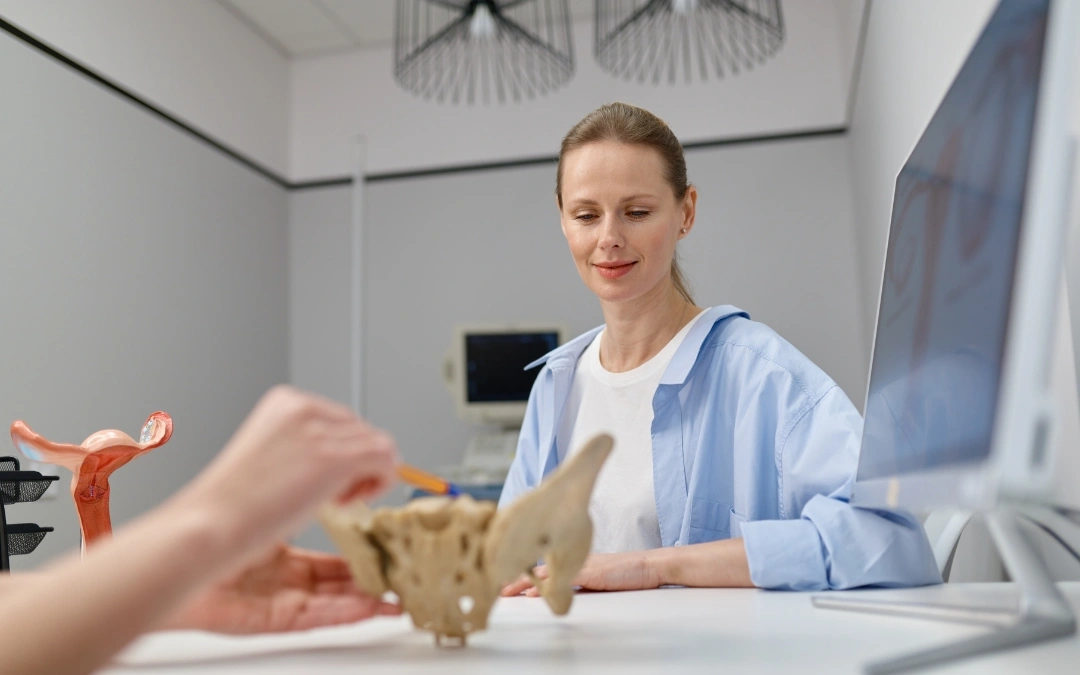
Education
Understanding anatomy and what is happening in the body can reduce fear and improve confidence.
Pelvic floor muscle assessment
A gentle internal or external exam helps determine whether the muscles are tight, weak, uncoordinated, or painful.
Manual therapy
Hands-on techniques can help release muscle tension, improve tissue mobility, and address scar tissue.
Breathing and relaxation training
The pelvic floor works closely with the diaphragm. Learning how to coordinate breath and pelvic floor movement is often a key step.
Gradual exposure and desensitization
If pain has created fear or guarding, graded techniques can help retrain the nervous system and rebuild comfort.
Home exercises and tools
Specific stretches, mobility work, or the use of dilators may be recommended when appropriate.
What to Expect
Many patients feel relief simply knowing their pain is real and treatable. Progress may be gradual, but with consistency, most individuals notice meaningful improvement in comfort, control, and confidence.
Pelvic physical therapy is not about pushing through pain. It is about listening to the body, restoring healthy function, and helping individuals feel safe and empowered.
Comfortable Intimacy Is Possible
Painful intercourse is common, but it is not normal. Comfortable and positive intimacy is possible. For those who have been silently struggling, support is available. If questions arise about whether pelvic physical therapy may help, connecting with a qualified pelvic health provider can be an important first step.